Ethereum: The Digital Revolution Changing Finance Forever
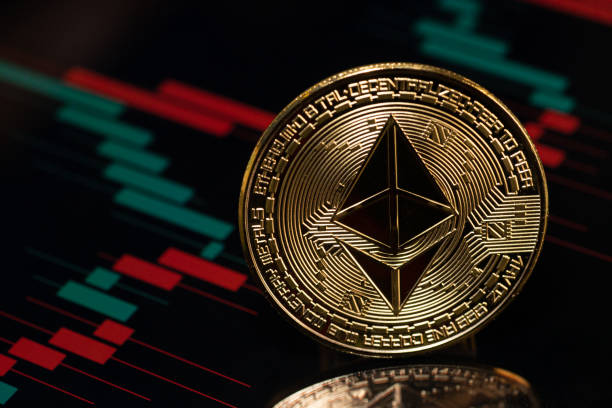
Understanding Ethereum: The Smart Contract Revolution
When we talk about cryptocurrencies, Bitcoin often comes to mind first. However, Ethereum is equally important and has brought a new level of innovation to the crypto world. Created by Vitalik Buterin in 2015, Ethereum is not just a cryptocurrency; it’s a decentralized platform that enables developers to build smart contracts and decentralized applications (dApps).
What is Ethereum?
Ethereum is an open-source blockchain-based platform that allows developers to create and deploy decentralized applications (dApps) without relying on a central authority. While it shares similarities with Bitcoin as a digital currency, Ethereum is more versatile because it provides a framework for building decentralized applications (dApps) using smart contracts.
A smart contract is a self-executing contract where the terms and conditions are written directly into code. This contract automatically executes actions when predefined conditions are met. For example, a smart contract might automatically transfer ownership of a digital asset when payment is received. This eliminates the need for intermediaries and ensures transparency and security.
How Ethereum Works
Ethereum operates on a blockchain similar to Bitcoin, but with the added benefit of supporting smart contracts and dApps. Transactions on Ethereum are powered by Ether (ETH), the cryptocurrency of the Ethereum network. Ether is used to pay for transaction fees and computational services within the Ethereum ecosystem.
Ethereum is also powered by a proof-of-stake (PoS) consensus mechanism, which is more energy-efficient than Bitcoin’s proof-of-work (PoW) system. This transition to PoS, known as Ethereum 2.0, is designed to improve scalability, security, and energy efficiency, making the Ethereum network more sustainable in the long term.
Key Features of Ethereum
Smart Contracts: Ethereum allows developers to create self-executing contracts, which are key to the platform’s versatility. These contracts eliminate the need for intermediaries and ensure that transactions are executed automatically when predefined conditions are met.
Decentralized Applications (dApps): Ethereum’s platform allows developers to build decentralized applications that run on the blockchain, meaning they are not controlled by a central authority. These apps can range from financial services (DeFi) to gaming and beyond.
Decentralized Finance (DeFi): Ethereum is at the heart of the DeFi movement, which aims to recreate traditional financial systems—such as lending, borrowing, and trading—on the blockchain. DeFi platforms built on Ethereum allow users to access financial services without intermediaries like banks, providing greater financial inclusion and freedom.
NFTs (Non-Fungible Tokens): Ethereum is the leading blockchain for the creation and trading of NFTs. NFTs are unique digital assets that represent ownership of a specific item, such as artwork, music, or collectibles. They have gained widespread popularity due to their ability to establish provable ownership and authenticity of digital goods.
Scalability: While Ethereum has faced scalability challenges, the ongoing upgrade to Ethereum 2.0 aims to address these issues. Ethereum 2.0 introduces the proof-of-stake (PoS) consensus mechanism and sharding, which will significantly increase the network’s transaction throughput.
The Role of Ether (ETH)
Ether (ETH) is the native cryptocurrency of the Ethereum network. It serves two primary functions:
Fuel for Transactions: When users interact with the Ethereum blockchain, they need to pay gas fees, which are paid in Ether. These fees compensate miners (or validators in the PoS system) for processing transactions and running smart contracts.
Store of Value and Investment: Similar to Bitcoin, Ether is also seen as a store of value by many investors. As Ethereum’s platform continues to grow and evolve, the demand for Ether is expected to rise, making it an attractive option for long-term investments.
Why Ethereum Matters
Ethereum is revolutionary because it goes beyond being just a digital currency. It offers a platform for building decentralized applications that could replace traditional centralized systems. Here are a few reasons why Ethereum is so important:
Decentralization: Ethereum’s decentralized nature means that no single entity controls it. This increases transparency and security, while reducing the potential for censorship.
Smart Contract Automation: By removing intermediaries, Ethereum makes it easier to execute transactions automatically, creating new business models and opportunities for industries like finance, insurance, and real estate.
Support for NFTs and DeFi: Ethereum has paved the way for the rise of NFTs and DeFi platforms, allowing users to access a wide range of innovative services without relying on traditional financial institutions.
Global Impact: Ethereum has the potential to democratize access to finance and technology, especially for those who do not have access to traditional banking systems.
The Future of Ethereum
As Ethereum continues to evolve, the network’s transition to Ethereum 2.0 is expected to address some of its most pressing issues, such as scalability and energy efficiency. The success of this upgrade will determine Ethereum’s future role in the global economy.
Ethereum’s dominance in the smart contract and DeFi sectors, along with the growth of NFTs, shows that its influence will only increase in the coming years. As more industries explore decentralized solutions, Ethereum could become the backbone of the decentralized web.
Conclusion
Ethereum is more than just a cryptocurrency. It’s a revolutionary platform that enables the creation of decentralized applications, smart contracts, and a range of innovative solutions that could transform industries worldwide. With its ongoing upgrades and expanding ecosystem, Ethereum is poised to continue driving the future of blockchain technology and decentralized finance.


Comments
Post a Comment